Understanding Manual Coffee Makers
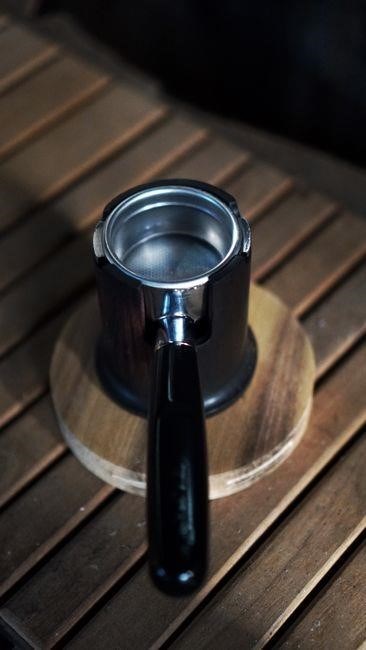
Manual coffee makers let you control ratio, grind, and brew time, essential for specialty coffee. They use ground beans, not capsules, and often include filters, a solid tamper, measuring spoons, and cleaning tools. A manual machine never plugs into the wall, offering full tactile control. Forhome baristas!..
Definition and Core Mechanism
A manual coffee maker is a device that relies on human effort to extract flavor from ground beans. It typically consists of a container, a filter, a plunger or pour‑over funnel, and a heat source such as a kettle. The user grounds beans to a desired consistency, measures the dose, and pours hot water over the grounds, allowing the coffee to drip or be pressed through the filter. The core mechanism is simple: heat‑water interacts with coffee grounds, dissolving soluble compounds, and gravity or pressure forces the liquid through a filter into a carafe or cup. Because the process is manual, the brewer can adjust the coffee‑to‑water ratio, the grind size, the pouring speed, and the total extraction time, giving precise control over flavor, body, and acidity. Most manual systems do not include an electric pump or heater; instead, the user boils water separately or uses a stovetop kettle. The design emphasizes tactile engagement and transparency, allowing the drinker to feel the rhythm of the pour, the pressure of the plunger, and the aroma of freshly brewed coffee. Accessories such as solid tamper, measuring spoons, and cleaning tools enhance consistency and maintenance, while a clear instruction manual and reliable warranty support ensure a satisfying experience. These machines appeal to enthusiasts who value the ritual of brewing and experimenting with water temperature and grind uniformity daily. By manually controlling variables, baristas can fine‑tune extraction, achieving nuanced flavor profiles that automated machines often overlook. The ritual also fosters appreciation for the coffee’s origin, roast level, and subtle differences between beans.!!!
Historical Evolution
The story of manual coffee makers begins in the 18th century, when the first simple pour‑over devices appeared in Europe. Early artisans used porcelain or brass vessels with a cloth filter, allowing hot water to seep through ground beans by gravity. By the mid‑1800s, the French press emerged, featuring a cylindrical chamber and a plunger‑style filter that pressed grounds to the bottom, creating a richer body. The 20th century brought further refinement: the 1940s saw the introduction of the Chemex, a glass carafe with a proprietary paper filter that reduced bitterness. In the 1970s, the V60 design by Hario introduced a conical shape and a single‑hole spout, enabling precise pour control. In the 1990s, the AeroPress brought a compact, pressure‑based system that combined immersion and forced extraction. Meanwhile, the Italian Moka pot, invented in 1933, remained a staple for stovetop espresso, using steam pressure to push water through finely ground coffee. Throughout these decades, manual makers evolved from simple tools to sophisticated brewing instruments, each iteration improving flavor extraction, user control, and design aesthetics. Today, enthusiasts celebrate this lineage, blending tradition with modern materials and ergonomic innovations, ensuring that the manual coffee maker remains a timeless symbol of craft and flavor mastery.
The specialty coffee movement revived manual methods, with cafés and home brewers seeking authenticity. Durable ceramic and stainless‑steel designs, precision grinders, and temperature‑controlled kettles enhance technique. Online tutorials let novices tweak bloom time, pour rate, and grind size. Designers blend aesthetics and function, producing sleek, minimalist models. Tactile engagement and ownership contrast automatic consistency, keeping manual makers relevant. Now!
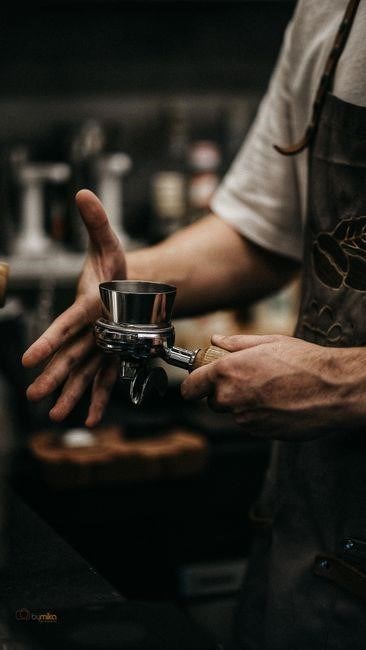
Popular Manual Brewing Methods
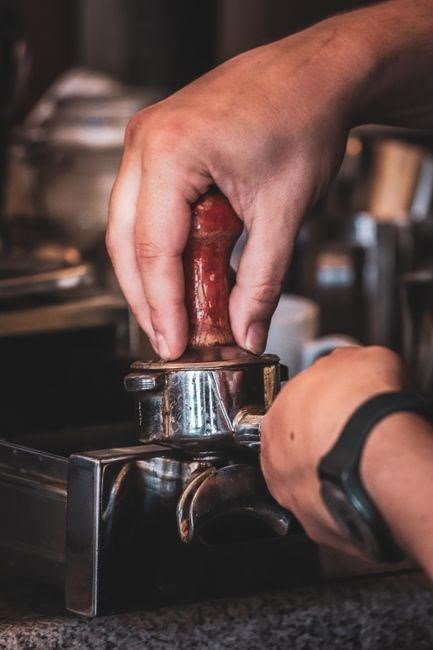
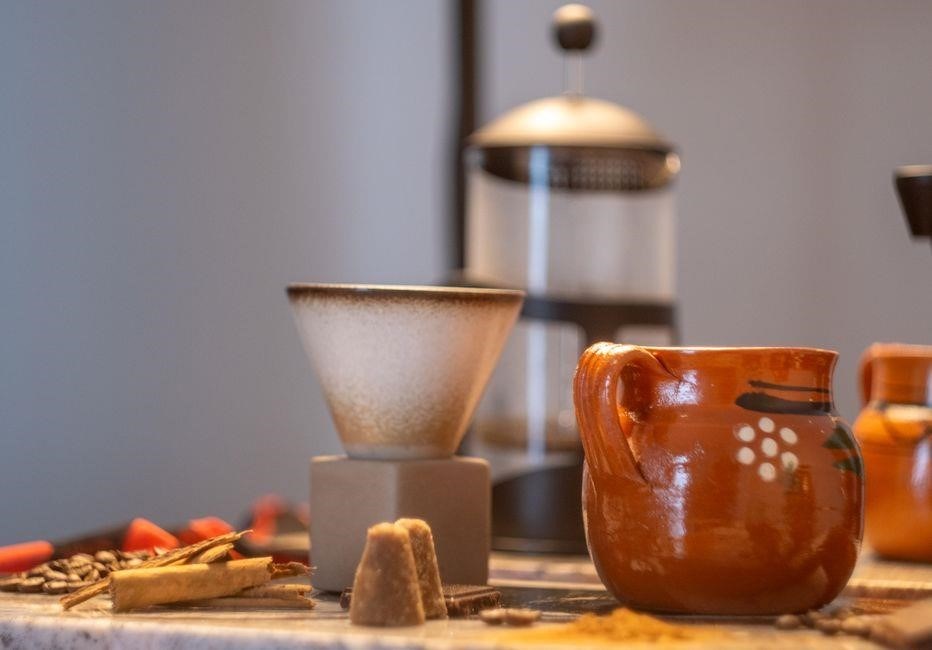
Manual coffee makers empower users to adjust variables like grind size, water temperature, and brew time. Common methods include the French Press, V60 Pour‑Over, Chemex Filter, AeroPress, and Moka Pot. Each offers distinct flavor profiles and tactile control. Try now!
French Press
The French Press, also known as a plunger pot, is a staple in manual coffee brewing. It consists of a cylindrical glass or stainless‑steel carafe, a metal mesh filter, and a plunger that applies pressure to separate grounds from liquid. Users pour coarse‑ground coffee into the carafe, add hot water (usually 195–205°F), stir, and allow a 4‑minute steep. After the wait, the plunger is slowly depressed, forcing the grounds to the bottom and yielding a full‑bodied, robust cup. The metal filter allows oils and fine particles to remain in the brew, giving a richer mouthfeel compared to paper‑filtered methods. Because the French Press relies on immersion rather than filtration, it is ideal for exploring the nuanced flavors of specialty beans. Maintenance is straightforward: rinse the carafe and plunger, clean the metal filter, and avoid abrasive cleaners that could damage the seal. Many enthusiasts recommend using a burr grinder for consistent particle size, as uneven grounds can lead to over‑extraction or uneven flavor. The French Press remains popular for its simplicity, affordability, and the hands‑on experience it offers to coffee lovers worldwide.
For flavor,! aim for a 1:15 coffee‑to‑water ratio and a 4‑minute steep. Use a burr grinder for a uniform coarse grind, like sea salt. After brewing, discard grounds and rinse the carafe with hot water to prevent oil buildup. Some users add a bit of milk into the pot for a richer crema.! Experimenting with water temperature between 195°F and 205°F highlights subtle acidity differences.! Enjoy!
V60 Pour-Over
The V60 is a cone‑shaped pour‑over brewer that uses a paper filter to produce a clean, bright cup. Its spiral rim and single‑hole design allow precise control over flow rate, making it a favorite among specialty coffee enthusiasts. To brew, place the V60 on a mug or carafe, insert a V60 paper filter, and rinse it with hot water to eliminate paper taste. Use a burr grinder set to a medium‑fine grind, roughly the texture of sea salt.
Heat water to 195–205°F (90–96°C). Pour a small amount to wet the grounds, then let them bloom for 30–45 seconds. Begin a slow, circular pour, maintaining a steady stream that covers all grounds evenly. Aim for a total brew time of 2.5–3.5 minutes, adjusting pour speed to achieve the desired extraction. The V60’s design encourages a balanced extraction, highlighting acidity and subtle flavor notes.
After brewing, discard the filter and grounds, rinse the V60, and dry. The paper filter is single‑use, but the V60 itself is durable and can be cleaned with mild soap. Many users prefer a ceramic or stainless‑steel V60 for longevity. The V60 offers a hands‑on experience that rewards experimentation with grind size, pour rhythm, and water temperature, allowing each brew to be uniquely tailored. In addition, many connoisseurs suggest using a timer to precisely measure each pour phase, as well as a scale to weigh the coffee, which together help maintain consistency across batches and allow for subtle adjustments that can significantly alter the final cup’s balance and aroma profile daily.?!
Chemex Filter
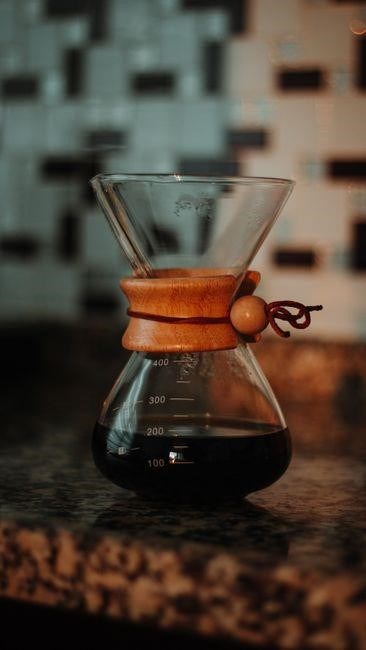
Chemex brewers are known for their sleek glass bodies and thick paper filters that trap oils and fine particles, producing a clean, bright cup. The conical shape and side handles allow gentle pouring. To brew, place the Chemex on a mug, insert a pre‑rinsed Chemex filter, and add about 60 g medium‑fine ground coffee for a 1.5‑liter brew. Heat water to 200 °F (93 °C), pour a small amount to wet the grounds, let them bloom for 30 seconds, then pour the remaining water in a slow spiral, keeping the grounds saturated. Total brew time should be 3–4 minutes. The thick filter removes most oils, giving a bright, aromatic cup with pronounced acidity and a smooth finish. After brewing, discard the filter and grounds, rinse the Chemex with warm water, and dry. The glass is durable and dishwasher‑safe, but hand washing preserves clarity.
Use a calibrated scale to weigh coffee at a 1:15 coffee‑to‑water ratio, and a timer to monitor pour intervals. The Chemex’s filter reduces sediment, ideal for single‑origin beans. Some users prefer a 2‑piece filter for a stronger body, others a 3‑piece for a lighter profile. The design allows easy adjustment of pouring speed, enabling experimentation with extraction curves. The Chemex works with paper filter sizes 8.5″, 9.5″, and 10.5″ to fit different cup sizes. Its classic look and functional simplicity make it a staple in home and professional settings. Its simple design makes it a favorite for both casual and brewers.
AeroPress
The AeroPress is a versatile, portable manual coffee maker that combines immersion and pressure brewing. It uses a cylindrical chamber, a plunger, and a paper or metal filter. To brew, add 14–18 g medium‑fine ground coffee to the chamber, pour 200 ml hot water (200 °F/93 °C), stir for 10 seconds, then insert the plunger and press slowly over 30–45 seconds. The result is a smooth, espresso‑like concentrate that can be diluted with water or milk..
Its design allows for multiple brewing styles: the “inverted” method for stronger extraction, the “standard” method for a lighter cup, or the “coffee‑first” technique for a richer body. The AeroPress’s paper filter removes most oils, yielding a clean cup, while the metal filter provides a fuller body. The device is lightweight, durable, and dishwasher‑safe, making it ideal for travel or home use. Adjusting grind size, water temperature, and pressing speed gives precise control over flavor, acidity, and crema. Many baristas use the AeroPress for single‑origin beans, as it highlights subtle notes and balances sweetness and acidity. Its compact size and simple operation make it a favorite among coffee enthusiasts seeking convenience without sacrificing quality!
The AeroPress’s versatility extends to cold brew: steep the grounds in cold water for 12–18 hours, then press to extract a smooth, low‑acid concentrate. For espresso‑style shots, use a fine grind and a 30 ml water volume, pressing for 20–25 seconds. The device’s quick cleanup and portability make it ideal for cafés, backpackers, and home baristas alike, ensuring a consistent, high‑quality cup wherever you are,
Moka Pot
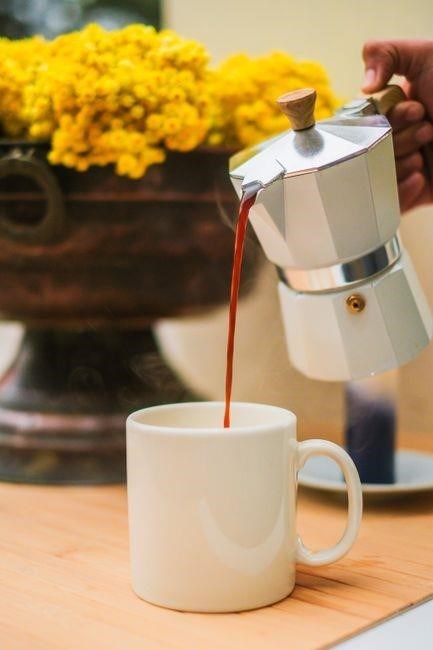
The Moka pot, a classic Italian manual espresso maker, delivers a robust, crema‑rich brew through a simple, gravity‑based process. It consists of a bottom chamber for water, a middle funnel for finely ground coffee, and a top chamber for the finished espresso. To use, fill the bottom chamber with water up to the safety valve, insert the funnel, and pack the coffee lightly—no tamping needed. Tighten the top and place the pot on medium heat. As the water boils, steam pressure forces it up through the grounds, extracting oils and flavors into the top chamber. When the bubbling slows and a hissing sound begins, the brew is complete. The result is a concentrated, espresso‑style coffee that can be served alone or diluted with hot water for a lungo‑style drink. The Moka pot’s design allows for precise control over grind size and heat, influencing extraction time and flavor profile. A fine grind yields a stronger, more bitter cup, while a coarser grind produces a lighter, sweeter brew. Because the pot relies solely on heat, it offers a tactile brewing experience that many enthusiasts cherish. Maintenance is straightforward: rinse after each use, clean the filter screen, and inspect the gasket for wear. A well‑maintained Moka pot can produce café‑quality espresso for years, making it a staple for home baristas who value tradition, simplicity, and the unmistakable aroma of freshly brewed Italian espresso.
Its heat‑only design invites careful temperature control, allowing baristas to experiment with flame intensity and brew time, producing a nuanced espresso that balances crema and body daily.
Manual vs Automatic Espresso Machines
Manual espresso makers grant baristas full control over grind, dose, tamp, and brew time, enabling precise flavor extraction. They’re cheap, need less maintenance,andlet users experiment with heat and pressure. Automatic machines offer convenience but often use lower‑grade grinders and higher upkeep costs.
Control Over Brewing Variables
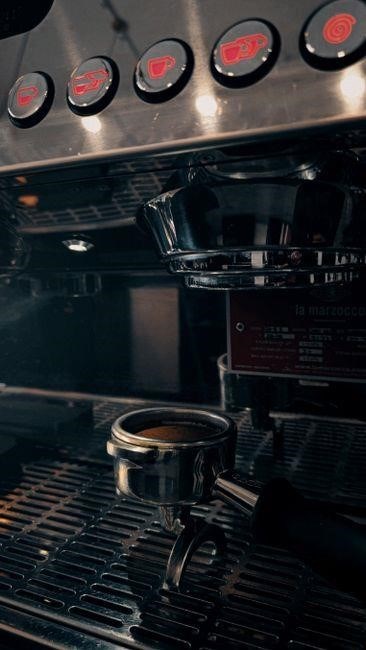
With a manual espresso maker, the barista has full command over every stage of extraction. The grind size can be tweaked to match the desired pressure profile, and the dose is measured precisely with a scale or spoon. A heavy, solid tamper ensures even contact, which directly influences the flow rate and crema formation. Temperature is controlled by the user’s skill and the heat source, allowing subtle adjustments that affect acidity and body. Brew time is set by the barista’s judgment, giving the ability to pull short shots for bright, acidic notes or longer pulls for richer, fuller flavors. The lever or pump used to generate pressure can be adjusted to fine‑tune the 9‑bar standard, letting the user experiment with 8, 10, or even 12 bars for different bean profiles. Pre‑infusion time can be increased or decreased to soften the puck before full pressure, altering the extraction curve. The manual approach also lets the barista choose the exact amount of water, from 30 ml for a ristretto to 60 ml for a lungo, directly impacting sweetness, body, and bitterness. This level of control lets enthusiasts experiment with ratios, grind fineness, tamp pressure, and extraction time to craft a cup that reflects their taste preferences and the specific bean’s characteristics. By mastering these variables, a skilled barista can unlock subtle flavor nuances that automatic machines often miss, turning each brew into a personalized, artisanal experience.
In addition, the manual system encourages a mindful brewing ritual. The barista must observe the coffee’s color change, listen for the first hiss, and feel the puck’s resistance, all of which inform real‑time adjustments. Because there is no preset program, each shot becomes a learning experiment, refining the barista’s intuition about how grind, tamp, and water temperature interact. This hands‑on feedback loop is invaluable for developing a deep understanding of coffee chemistry and for consistently producing high‑quality espresso that showcases the bean’s unique terroir.
Moreover, the manual espresso maker’s simplicity reduces maintenance costs and extends longevity. Without complex electronic components, there are fewer parts that can fail, and cleaning is straightforward—just rinse the portafilter, filter basket, and group head. This reliability, combined with the ability to fine‑tune every variable, makes manual machines a favorite among hobbyists and professionals alike who value both control and durability. The tactile experience also fosters a deeper appreciation for the craft, turning coffee preparation into an engaging, sensory activity.
Manual espresso makers offer a lower upfront price than automatic machines, typically ranging from $80 to $200. They require a separate burr grinder, which can cost $150–$300, but delivers consistent grind and reduces fines that clog the group head. Essential accessories include a solid tamper, quality filters, and cleaning tools. Some starter kits bundle these items, providing a modest discount compared to buying each component individually.
Maintenance for manual systems is straightforward and inexpensive. The absence of electronic components eliminates firmware updates or costly service calls. Routine cleaning involves rinsing the portafilter, basket, and group head after each use, and descaling the machine every few months with a vinegar solution or commercial descaler. Because the group head is exposed, users can inspect for scale buildup and remove it manually. In contrast, automatic espresso machines often require scheduled professional servicing and replacement of internal seals, which can add $100–$200 annually. Additionally, automatic machines consume more energy due to continuous heating and standby modes, whereas manual machines rely solely on the user’s heat source, saving electricity over time. Maintenance for manual systems is straightforward and inexpensive. The absence of electronic components eliminates firmware updates or costly service calls. Routine cleaning involves rinsing the portafilter, basket, and group head after each use, and descaling the machine every few months with a vinegar solution or commercial descaler. Because the group head is exposed, users can inspect for scale buildup and remove it manually. In contrast, automatic espresso machines often require scheduled professional servicing and replacement of internal seals, which can add $100–$200 annually. Additionally, automatic machines consume more energy due to continuous heating and standby modes, whereas manual machines rely solely on the user’s heat source, saving electricity over time.
Cost and Maintenance Considerations
Choosing a manual espresso maker suits those who value control and maintenance. With a good grinder, tamper, and filters, you can consistently produce espresso without the complexity of automatic systems. The design means fewer parts to replace, extending the machine’s lifespan and keeping the coffee routine enjoyable.!!
Essential Accessories for Manual Coffee Brewing
Paper or metal filters, a burr grinder for grounds, a tamper, calibrated measuring spoons, and a brush keep the brew pristine. A descaling solution and a storage container for beans enhance longevity and flavor. Store beans in a cool, dark place daily!!
Quality Filters and Grinders
Choosing the right filter and grinder is the cornerstone of a great manual brew. Paper filters, whether standard or gold‑lined, trap most oils and fine particles, yielding a cleaner cup; metal filters let oils through, adding body and a richer mouthfeel. The choice depends on the method—V60 and Chemex favor paper, while a French press or AeroPress often uses metal. Quality filters come in various pore sizes; a tighter mesh prevents micro‑grinds from passing, while a looser design allows more aroma to escape. Consistency in grind size is equally critical. Burr grinders—flat or conical—produce uniform particles, essential for even extraction. Blade grinders, while cheaper, tend to create uneven sizes that can lead to over‑ or under‑extraction. For specialty coffee, a conical burr grinder with adjustable settings offers the best balance of precision and speed. Regular maintenance, such as cleaning burrs and replacing worn paper filters, keeps the flavor profile stable. Investing in a high‑grade grinder and filter set pays off in clarity, aroma, and repeatability, turning every manual brew into a reliable, high‑quality experience.
Another crucial factor is the grind size consistency across batches. A burr grinder with a fine adjustment dial allows micro‑tuning, which is vital for pour‑over methods where extraction time is long. Metal filters, on the other hand, can be reused, but they must be rinsed thoroughly to avoid residual oils that alter flavor. Proper storage of filters in a dry, airtight container extends their life and preserves their integrity!
Cleaning and Maintenance Tools
Manual coffee makers require regular upkeep to preserve flavor and extend life. A soft silicone brush is essential for scrubbing the brew chamber and filter basket; after every 10–12 uses, perform a deeper clean with soap and water, and after every few months, run a descaling cycle. Documenting each cleaning session in a small notebook or a digital log helps track maintenance history and ensures nothing is overlooked. Consistent care not only keeps the coffee tasting bright but also reduces the risk of bacterial growth and extends the life of the manual coffee maker.
Cleaning tools that come in handy include a small funnel for rinsing the filter basket, a rubber gasket scraper for removing stuck grounds from the seal, and a microfiber cloth to wipe down the exterior. A dedicated storage box keeps all parts organized and protects them from dust. A small stainless‑steel cleaning brush fits inside the spout, allowing deep cleaning of the nozzle and preventing clogs. Regularly inspecting the gasket for cracks or wear and replacing it every 12–18 months keeps the seal tight and prevents leaks.
To maintain optimal performance, establish a routine: after each use, rinse the brew chamber and filter basket; after every 10–12 uses, perform a deeper clean with soap and water; and after every few months, run a descaling cycle. Documenting each cleaning session in a small notebook or a digital log helps track maintenance history and ensures nothing is overlooked. Consistent care not only keeps the coffee tasting bright but also reduces the risk of bacterial growth and extends the life of the manual coffee maker.
A dedicated storage box keeps all parts organized and protects them from dust. A small stainless‑steel cleaning brush fits inside the spout, allowing deep cleaning of the nozzle and preventing clogs!!!