Welcome! This comprehensive T-shirt guide explores diverse styles, fabrics, and fits, helping you navigate choices and find your perfect match with ease․
What is a T-Shirt?
A T-shirt, a fundamental wardrobe staple, is a casual style of shirt named for its T-shape when laid flat․ Typically featuring short sleeves and a round neckline – known as a crew neck – it’s a versatile garment worn by people of all ages and genders․
Originally developed as an undergarment, the T-shirt has evolved into a standalone fashion item, expressing individuality through graphics, logos, and various fits․ It’s constructed from a variety of fabrics, most commonly cotton and polyester, or blends of both, influencing comfort, durability, and drape․ The simple design allows for extensive customization, making it ideal for branding, personal expression, and promotional purposes․
Essentially, the T-shirt represents comfort, accessibility, and a canvas for self-expression within the world of fashion․
The History of the T-Shirt
The T-shirt’s origins trace back to the late 19th century, emerging as a practical undergarment for laborers․ Initially, it was a one-piece union suit, later split into separate top and bottom pieces․ By the 1900s, the T-shirt became standard issue for the U․S․ Navy, providing a lightweight base layer․
Its transition to mainstream fashion began in 1950s America, popularized by iconic figures like Marlon Brando and James Dean, who showcased it as a rebellious and casual style․ The rise of screen printing in the 1960s allowed for mass production of graphic tees, solidifying its place in popular culture․
From a humble undergarment to a global fashion icon, the T-shirt’s journey reflects evolving social norms and its enduring appeal as a comfortable and expressive garment․

T-Shirt Fabrics: A Comprehensive Overview
Explore the diverse world of T-shirt fabrics! We’ll delve into cotton, polyester, and blends, examining their unique qualities and ideal uses for comfort․
Cotton T-Shirts
Cotton T-shirts remain a timeless classic, celebrated for their exceptional softness, breathability, and overall comfort․ This natural fiber is incredibly versatile, making it suitable for everyday wear and a wide range of activities․ Cotton’s inherent ability to absorb moisture keeps you cool and dry, especially in warmer climates․
However, it’s important to understand that not all cotton is created equal․ Different varieties offer distinct characteristics․ Pima cotton, known for its long staple fibers, delivers a luxurious feel and enhanced durability․ Egyptian cotton, similarly prized for its length and strength, provides an even softer touch․
For the environmentally conscious, organic cotton presents a sustainable alternative, grown without the use of harmful pesticides or synthetic fertilizers․ Choosing organic cotton supports responsible farming practices and reduces your environmental footprint․ Cotton T-shirts are a reliable and comfortable choice for any wardrobe․

Types of Cotton (Pima, Egyptian, Organic)
Pima cotton, often called “Supima” in the US, boasts extra-long staple fibers, resulting in a remarkably soft, durable, and lustrous fabric․ These longer fibers minimize pilling and enhance color retention, making Pima cotton T-shirts a premium choice․ Egyptian cotton, similarly renowned for its long staple length, offers an exceptionally smooth and luxurious feel, prized for its softness and strength․
Organic cotton distinguishes itself through sustainable cultivation․ Grown without synthetic pesticides, herbicides, or genetically modified seeds, it’s kinder to the environment and beneficial for sensitive skin․ Choosing organic cotton supports ethical farming practices and reduces exposure to harmful chemicals․
Each type offers unique benefits; Pima and Egyptian prioritize luxury and durability, while organic cotton champions sustainability․ Understanding these distinctions allows you to select a cotton T-shirt perfectly aligned with your values and preferences․
Polyester T-Shirts
Polyester is a synthetic fabric celebrated for its exceptional durability, wrinkle resistance, and quick-drying properties․ Unlike cotton, polyester doesn’t readily absorb moisture, making it an excellent choice for activewear and warm-weather garments․ It’s also highly resistant to shrinking and stretching, ensuring a consistent fit wash after wash․
Polyester T-shirts are often more affordable than cotton alternatives, offering a budget-friendly option without sacrificing longevity․ The fabric holds color exceptionally well, resulting in vibrant and long-lasting prints․ However, polyester isn’t as breathable as natural fibers, potentially feeling less comfortable in hot conditions․
Modern polyester fabrics are increasingly engineered for enhanced comfort and performance, bridging the gap between synthetic and natural materials․
Benefits of Polyester
Polyester T-shirts boast numerous advantages, starting with exceptional durability․ They withstand repeated washing and wear without significant degradation, making them a long-lasting investment․ Wrinkle resistance is another key benefit; these shirts require minimal ironing, saving time and effort․
Quick-drying properties are ideal for active lifestyles and travel, while resistance to shrinking and stretching ensures a consistent fit․ Polyester’s ability to retain color makes it perfect for vibrant prints that won’t fade easily․ It’s also generally more affordable than comparable cotton options․
Furthermore, polyester is hydrophobic, meaning it repels water, offering some protection from light rain․ These benefits combine to create a practical and versatile garment․
Blended T-Shirts (Cotton/Polyester)
Cotton/Polyester blends offer a compelling compromise, combining the best qualities of both fabrics․ These shirts deliver the softness and breathability of cotton with the durability and wrinkle resistance of polyester․ This synergy creates a comfortable and practical garment suitable for everyday wear․
Blends typically reduce shrinking compared to 100% cotton, and they often cost less than pure cotton alternatives․ The polyester content enhances color retention, ensuring prints stay vibrant longer․ Different ratios of cotton to polyester cater to varying preferences; higher cotton content prioritizes comfort, while more polyester boosts durability․
Ultimately, blended T-shirts provide a balanced and versatile option for a wide range of activities and climates․
The Advantages of Blends
Blended T-shirts, particularly cotton/polyester mixes, present numerous advantages over single-fabric options․ A key benefit is enhanced durability; polyester fibers strengthen the fabric, resisting wear and tear better than cotton alone․ This translates to a longer-lasting garment, capable of withstanding frequent washing and use․
Furthermore, blends exhibit reduced shrinkage and improved wrinkle resistance, simplifying care and maintaining a presentable appearance․ They also offer superior color retention, keeping printed designs vibrant over time․ Cost-effectiveness is another plus, as blends are generally more affordable than 100% cotton․
These shirts strike a balance between comfort, practicality, and value, making them ideal for diverse needs․
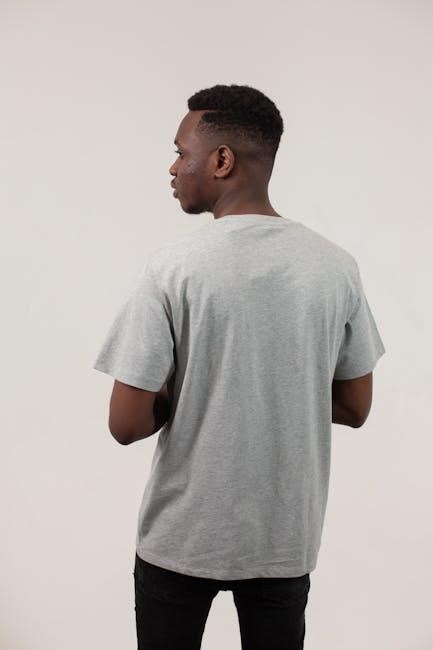
T-Shirt Styles & Fits
Explore classic T-shirt styles – crew neck, V-neck, long sleeve, and pocket variations – each offering a unique aesthetic and comfortable fit for everyone․
Crew Neck T-Shirts
Crew neck T-shirts represent a timeless and versatile staple in any wardrobe․ Characterized by a round neckline that sits close to the base of the neck, this style offers a clean and classic look suitable for diverse occasions․ They are incredibly adaptable, easily dressed up with layers or worn casually on their own․
The simplicity of the crew neck makes it an excellent canvas for graphic designs, logos, or bold statements․ They generally flatter most body types and are available in a wide range of fabrics, from lightweight cotton to more substantial blends․ Consider the fabric weight and fit – slim, regular, or relaxed – to achieve your desired aesthetic․ Crew necks pair seamlessly with jeans, shorts, or even under jackets and blazers, making them a truly essential piece․
V-Neck T-Shirts
V-neck T-shirts offer a slightly more refined and elongated appearance compared to their crew neck counterparts․ The distinctive V-shaped neckline draws the eye upwards, creating a lengthening effect and potentially making the wearer appear slimmer․ This style is often favored for its subtle sophistication and versatility․
V-necks can be particularly flattering for individuals with broader shoulders, as the neckline helps to balance proportions․ They work well under open-collared shirts or jackets, adding a layer of visual interest․ Like crew necks, V-necks are available in various fabrics and fits․ The depth of the ‘V’ can also vary, ranging from modest to more dramatic, influencing the overall look․ Consider your personal style and body type when selecting the ideal V-neck T-shirt․
Long Sleeve T-Shirts
Long sleeve T-shirts provide added warmth and coverage, making them a versatile option for cooler weather or layering․ They maintain the casual comfort of a standard T-shirt while offering increased protection from the elements․ These shirts are a staple in many wardrobes, bridging the gap between short-sleeved tees and heavier outerwear․

Available in a wide array of fabrics – cotton, polyester, blends – long sleeve T-shirts cater to diverse needs and preferences․ They can be worn as a standalone garment or layered under jackets, sweaters, or hoodies․ Styles range from fitted to relaxed, offering options for various body types and aesthetic preferences․ Long sleeves are ideal for activities where sun protection is desired, or simply for a different look․
Pocket T-Shirts
Pocket T-shirts offer a subtle yet functional detail, adding a touch of utility and visual interest to the classic T-shirt design․ The pocket, typically located on the left chest, can be a simple patch pocket or a more structured design․ This seemingly small addition elevates the T-shirt’s aesthetic, making it slightly more refined than a plain tee․
Beyond aesthetics, the pocket provides a convenient space for small items like pens, glasses, or a phone․ Pocket T-shirts are available in various fabrics, fits, and colors, maintaining the versatility of the standard T-shirt․ They strike a balance between casual comfort and practical functionality, making them a popular choice for everyday wear․ They’re a timeless addition to any wardrobe․

Understanding T-Shirt Sizing
Accurate sizing is crucial for a great fit! Explore standard US/UK/EU charts, plus specific guidance for women, men, and kids to find your ideal size;
Standard US/UK/EU Sizing Charts
Navigating T-shirt sizes can be tricky, as standards vary across regions․ Generally, US sizing typically runs larger than UK or EU sizes․ A US Medium often corresponds to a UK Large or an EU Large/X-Large․
Here’s a simplified overview – remember to always check the specific brand’s size chart!
- US: Small (34-36 chest), Medium (38-40 chest), Large (42-44 chest), X-Large (46-48 chest)
- UK: Small (36-38 chest), Medium (40-42 chest), Large (44-46 chest), X-Large (48-50 chest)
- EU: Small (46-48 cm), Medium (50-52 cm), Large (54-56 cm), X-Large (58-60 cm)
These are approximate measurements; variations exist․ Always prioritize checking the brand’s individual sizing guide before making a purchase to ensure the best possible fit and avoid returns․
T-Shirt Sizing for Women
Women’s T-shirt sizing often differs significantly from men’s, focusing on bust and waist measurements․ Many brands offer specific women’s fits, which are tailored to be more contoured through the body․ Common sizes include XS, S, M, L, and XL, but numerical sizing (e․g․, 6, 8, 10) is also prevalent․
Consider these general guidelines:
- XS: Bust 30-32″, Waist 24-26″
- S: Bust 32-34″, Waist 26-28″
- M: Bust 34-36″, Waist 28-30″
- L: Bust 36-38″, Waist 30-32″
Fit preferences also matter – a relaxed fit may require sizing up․ Always consult the specific brand’s size chart, paying attention to both bust and waist measurements, for the most accurate fit․
T-Shirt Sizing for Men
Men’s T-shirt sizing generally revolves around chest and length measurements, though neck size is also a factor․ Standard sizes typically range from S to 3XL, with some brands offering even larger options․ A crucial aspect is understanding the fit – slim, regular, or relaxed – as this impacts sizing․
Here’s a general guide:
- S: Chest 34-36″, Neck 14-14․5″
- M: Chest 38-40″, Neck 15-15․5″
- L: Chest 42-44″, Neck 16-16․5″
- XL: Chest 46-48″, Neck 17-17․5″
For a comfortable fit, measure your chest circumference and compare it to the brand’s size chart․ If between sizes, consider sizing up, especially for a relaxed style․ Always prioritize checking the specific brand’s guidelines․
Kids’ T-Shirt Sizing
Kids’ T-shirt sizing differs significantly from adult sizes and can vary between brands․ Sizing is typically based on age and height, ranging from sizes like Newborn to Youth XL․ However, relying solely on age isn’t always accurate; weight and chest measurements are crucial for a proper fit․
Here’s a general guideline:
- Newborn: Weight up to 12 lbs
- 6-12 Months: Weight 12-20 lbs
- 2T: Height 32-34″, Chest 20-22″
- 4T: Height 38-40″, Chest 22-24″
- Youth XL: Height 52-56″, Chest 28-30″
Always consult the specific brand’s size chart, as variations are common․ Consider sizing up if your child is growing quickly or prefers a looser fit․ Prioritize comfort and allow room for movement!

T-Shirt Printing Techniques
Various methods exist for customizing T-shirts, including screen printing, direct-to-garment (DTG), and heat transfer vinyl (HTV), each offering unique results․
Screen Printing
Screen printing is a popular technique for high-volume T-shirt orders, renowned for its durability and vibrant colors․ This process involves creating a stencil – typically using a mesh screen – and then pressing ink through the stencil onto the fabric․ Each color requires a separate screen, making it cost-effective for larger batches․
The ink used in screen printing is applied directly to the fibers of the T-shirt, resulting in a long-lasting print that resists fading and cracking․ While excellent for bold designs and solid colors, screen printing can be less suitable for intricate details or photographic images․ Setup costs can be higher due to screen preparation, but the per-shirt cost decreases significantly with quantity․ It’s a classic method favored by businesses and event organizers․
Direct-to-Garment (DTG) Printing
Direct-to-Garment (DTG) printing is a digital printing method that applies ink directly onto the fabric, similar to an inkjet printer for paper․ This technique excels at reproducing complex designs, photographs, and gradients with incredible detail and a wide range of colors․ DTG is ideal for small print runs or personalized T-shirts, as there are no minimum order quantities or setup fees associated with creating screens․
However, DTG prints may not be as durable as screen prints and can sometimes appear less vibrant on darker fabrics․ Pre-treating the garment is often necessary to ensure proper ink adhesion and washability․ While the initial cost per shirt can be higher than screen printing, DTG offers unmatched flexibility and design possibilities for customized apparel․
Heat Transfer Vinyl (HTV)
Heat Transfer Vinyl (HTV) involves cutting designs from sheets of vinyl using a cutting machine, then applying them to the T-shirt with heat and pressure․ This method is excellent for simple designs, lettering, and numbers, offering a durable and long-lasting finish․ HTV is a popular choice for personalized apparel, team uniforms, and small-batch projects due to its relatively low startup cost and ease of use․
However, HTV is less suitable for intricate designs or gradients, as it can be challenging to weed (remove excess vinyl) from complex patterns․ The vinyl itself can sometimes feel heavier on the fabric compared to other printing methods․ Proper heat application is crucial for ensuring the vinyl adheres correctly and withstands repeated washing․

T-Shirt Care and Maintenance
Preserve your T-shirts! Proper washing, drying, and ironing techniques extend their lifespan and maintain vibrant colors and comfortable fit for years․
Washing Instructions
Before the first wear, always wash your new T-shirt to remove any manufacturing residues and pre-shrink the fabric․ Turn the T-shirt inside out – this protects the print or design from fading and abrasion during the wash cycle․
Use cold water for most T-shirts, especially those made of cotton or blends, to prevent shrinking and color bleeding․ A gentle cycle is recommended to minimize wear and tear on the fibers․
Avoid harsh detergents or bleach, as these can damage the fabric and fade the colors․ Opt for a mild detergent specifically designed for delicate fabrics․ Separate your T-shirts by color to prevent dye transfer․ Wash dark colors with darks and light colors with lights․
Consider using a laundry bag for extra protection, particularly for printed or delicate T-shirts․
Drying Instructions
Air drying is the gentlest method for preserving your T-shirts, maintaining their shape and preventing shrinkage․ Hang them on a clothesline or lay them flat on a clean, dry surface, away from direct sunlight, which can cause fading․
If using a dryer, select a low heat setting to minimize shrinkage and damage․ Avoid over-drying, as this can weaken the fibers and cause the T-shirt to lose its shape․
Remove the T-shirt promptly once it’s dry to prevent wrinkles․ For printed T-shirts, consider turning them inside out before tumble drying to protect the design․
Avoid using dryer sheets, as they can leave a residue on the fabric․ Cleaning the lint trap after each use ensures efficient drying and prevents fire hazards․
Ironing Tips
Always check the care label before ironing your T-shirt, as some fabrics require lower heat settings․ Ironing can restore a crisp, clean look, but improper technique can cause damage․ Turn the T-shirt inside out to protect any prints or embellishments from direct heat․
Use a low to medium heat setting, especially for delicate fabrics like cotton blends or synthetics․ Avoid using steam on printed designs, as it can cause them to peel or distort․ A pressing cloth can provide an extra layer of protection․
Iron in smooth, even strokes, avoiding circular motions․ Focus on areas that need the most attention, like the collar and sleeves․ Allow the T-shirt to cool completely before folding or wearing․

Trends in T-Shirt Design
Current trends showcase graphic statements, vintage aesthetics, and the comfortable appeal of oversized silhouettes, reflecting evolving fashion preferences and individual expression․
Graphic T-Shirts
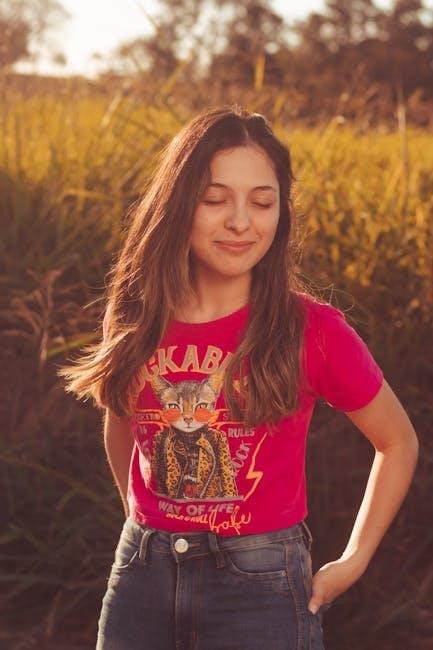
Graphic tees remain a cornerstone of T-shirt design, offering a vast canvas for self-expression․ From bold statements and intricate illustrations to minimalist logos and pop culture references, the possibilities are endless․ These shirts often reflect personal interests, band affiliations, or artistic preferences․
The popularity of graphic T-shirts stems from their versatility; they can be dressed up or down, making them suitable for various occasions․ Current trends lean towards vintage-inspired graphics, abstract designs, and typography-focused artwork․
Printing techniques like screen printing and direct-to-garment (DTG) allow for high-quality, detailed graphics․ The placement of the graphic – center chest, pocket area, or full back – also influences the overall aesthetic․ Ultimately, a graphic T-shirt is a powerful tool for showcasing individuality and style․
Vintage T-Shirts
Vintage T-shirts evoke a sense of nostalgia and timeless style, often featuring faded graphics, retro logos, and classic band designs․ These shirts aren’t necessarily old – the aesthetic is the key․ They frequently mimic designs from the 70s, 80s, and 90s, offering a curated look of past eras․
The appeal lies in their unique character and the story they tell․ Distressed prints, washed-out colors, and a comfortable, worn-in feel contribute to the vintage vibe․ Authentic vintage tees can be found in thrift stores or online marketplaces, but many brands now produce new shirts with a vintage-inspired finish․
Pairing a vintage T-shirt with modern pieces creates a stylish contrast․ They’re a versatile addition to any wardrobe, offering a relaxed and effortlessly cool aesthetic;
Oversized T-Shirts
Oversized T-shirts have become a dominant trend, prioritizing comfort and a relaxed silhouette․ Moving away from fitted styles, these shirts offer a looser, more flowing fit, often intentionally several sizes larger than typical․ This creates a casual and effortlessly cool aesthetic, appealing to a broad range of styles․
The versatility of oversized tees is a major draw․ They can be paired with leggings, jeans, skirts, or even layered under jackets and sweaters․ Styling options range from a deliberately slouchy look to a more polished ensemble with strategic tucking or belting․
Consider the fabric weight when choosing an oversized tee; heavier fabrics maintain structure, while lighter ones offer a softer drape․