User manual cribs offer a secure sleep space, adhering to strict CPSC standards, unlike homemade options․ They provide adjustable features and long-term value for growing infants․
What is a User Manual Crib?
A user manual crib is a sleep environment specifically designed for infants and young toddlers, manufactured and sold with detailed instructions for assembly and safe use․ Unlike improvised sleep spaces, these cribs undergo rigorous testing by organizations like the CPSC (Consumer Product Safety Commission) to ensure they meet stringent safety regulations․
These cribs aren’t simply furniture; they are engineered products․ They feature specific dimensions, slat spacing, and construction materials intended to minimize risks like entrapment or suffocation․ The “user manual” aspect is crucial, detailing proper assembly, mattress selection, and ongoing safety checks․ They are a deliberate alternative to potentially unsafe, homemade solutions, offering peace of mind through verified safety standards and a focus on adjustable features for a growing child․
Why Choose a User Manual Crib?
Opting for a user manual crib prioritizes infant safety and offers significant advantages over alternative sleep arrangements․ These cribs are subjected to CPSC safety testing, guaranteeing adherence to rigorous specifications that homemade options simply cannot replicate without formal certification․
Beyond safety, user manual cribs provide longevity and cost-effectiveness․ A quality crib mattress can accommodate a child for over two years, potentially costing less than $50․ Adjustability, particularly mattress height, is key, adapting to a baby’s evolving abilities – from preventing rolling to mitigating climbing risks․ Choosing a certified crib delivers documented peace of mind, knowing it’s been evaluated for structural integrity and potential hazards, unlike unverified DIY solutions․

Crib Safety Standards & Regulations (US Focus ⎯ CPSC)
CPSC regulations mandate rigorous safety testing for user manual cribs sold in the US, ensuring they meet strict specifications for infant sleep environments․
Understanding CPSC Safety Testing
CPSC safety testing for user manual cribs is a comprehensive process, far exceeding the standards applicable to adult mattresses․ This isn’t simply about firmness or thickness; it’s about documented proof of passing specific, rigorous tests․ These tests evaluate structural integrity, hardware reliability, and potential entrapment hazards․

Manufacturers must submit cribs for evaluation, providing detailed documentation․ Passing these tests is crucial for legal sale within the United States․ This stringent process differentiates commercially available cribs from homemade sleep spaces, which lack this verified safety assurance․ While a DIY approach might attempt to meet guidelines, it lacks the official CPSC validation, making it inherently riskier for infant safety․ The testing ensures a consistent level of protection for all babies using these products․
Rigorous Specifications for Cribs Sold in the US
Cribs sold in the US must adhere to incredibly rigid specifications set by the CPSC․ These aren’t merely suggestions; they are legally mandated requirements․ Specifications cover slat spacing to prevent head entrapment, hardware strength to withstand a child’s weight and activity, and mattress support to ensure a secure fit․
These standards address potential hazards like drop-side cribs (now banned) and ensure stability to prevent tipping․ The regulations dictate precise dimensions, materials, and construction methods․ This detailed oversight guarantees a baseline level of safety that consumers can rely on․ Meeting these specifications isn’t optional; it’s a prerequisite for market access, protecting infants from preventable injuries associated with poorly constructed sleep environments․
Why Homemade Sleep Spaces are Not Recommended
While well-intentioned, homemade sleep spaces pose significant safety risks․ Unlike CPSC-certified cribs, they lack documented proof of meeting rigorous safety testing standards․ Achieving compliance with specifications for slat spacing, hardware strength, and mattress support is challenging without professional equipment and expertise․
Even with careful construction, replicating the safety features of a certified crib is difficult․ The absence of official testing means potential hazards – head entrapment, instability, or structural failure – remain unknown․ Relying on homemade solutions compromises infant safety․ Investing in a certified user manual crib provides peace of mind, knowing it has undergone thorough evaluation and meets established safety protocols, offering a demonstrably safer sleep environment․

Key Features to Look for in a User Manual Crib
User manual cribs should prioritize adjustability, stability, and strength․ Lowering mattress height prevents rolling and climbing, ensuring a safe sleep environment for your baby․
Adjustability: Mattress Height Options
Adjustability is a cornerstone of safe user manual crib usage․ The ability to lower the mattress as your baby grows is paramount, directly addressing evolving safety concerns․ Initially, a higher setting eases parent access for placing and retrieving the infant․ However, as the baby begins to push up, roll, or even attempt to stand, lowering the mattress becomes crucial․
This prevents the baby from climbing or falling over the crib sides – a common progression․ Prioritize cribs with multiple height settings to accommodate these developmental stages effectively․ A crib offering significant adjustability extends its usability and provides continued safety as your child reaches milestones․ Measuring how much the mattress can be lowered is a key purchasing consideration․
Importance of Lowering the Mattress
Lowering the mattress within a user manual crib isn’t merely a suggestion; it’s a vital safety evolution․ As infants develop, their abilities rapidly change – from simply lying to pushing up, rolling, and eventually attempting to climb․ Maintaining a higher mattress position beyond these milestones introduces significant fall risks․ The transition from rolling to climbing often happens quickly, escalating the danger of a “head dive” to the floor․
Regularly lowering the mattress keeps the baby contained and minimizes the potential for injury․ Prioritizing a crib with multiple height adjustments allows proactive adaptation to these developmental leaps, ensuring continued safety and peace of mind for parents․ It’s a proactive measure, not a reactive one․
Stability and Strength of Crib Construction
A user manual crib’s structural integrity is paramount for infant safety․ Rigorous CPSC testing demands robust construction, far exceeding the standards achievable in homemade sleep spaces․ Stability prevents tipping or collapsing under the baby’s weight and movement, especially as they begin to pull up and attempt to climb․
Look for cribs constructed from solid, durable materials with secure locking mechanisms for all components․ Avoid designs with excessive decorative elements that might compromise structural soundness․ A stable crib minimizes the risk of accidental injury, providing a secure environment․ Remember, prioritizing strength and stability is non-negotiable when selecting a crib for your little one․
Mattress Selection for User Manual Cribs
Crib mattresses must be firm and fit snugly within the user manual crib, meeting CPSC specifications; affordability doesn’t compromise safety, with options under $50 available․
Firmness Requirements for Crib Mattresses
Firmness is paramount when selecting a mattress for a user manual crib․ Unlike adult mattresses, crib mattresses are specifically engineered to provide a solid, unyielding sleep surface․ This isn’t merely a preference; it’s a critical safety feature dictated by CPSC regulations․ A firm mattress minimizes the risk of suffocation, as it prevents a baby’s face from sinking into the bedding and potentially obstructing their airway․
The firmness isn’t simply about feel; it’s about passing rigorous safety testing․ CPSC standards ensure that crib mattresses resist compression and maintain their shape, even under sustained pressure․ This testing differentiates them from adult mattresses, which are designed for comfort rather than infant safety․ Choosing a firm mattress is a non-negotiable aspect of creating a safe sleep environment within a user manual crib․
Thickness Considerations
Crib mattress thickness is another crucial factor, intertwined with CPSC safety standards for user manual cribs․ While there isn’t a single mandated thickness, the mattress must fit snugly within the crib frame, leaving no gaps exceeding two fingers’ width between the mattress and the crib sides․ This prevents entrapment hazards․
Generally, crib mattresses range from 4 to 6 inches thick, balancing support and safety․ Thicker isn’t necessarily better; the key is a firm surface within that range․ The CPSC testing focuses on overall performance, including compression and flammability, rather than solely on thickness․ Selecting the right thickness, alongside firmness, ensures a secure sleep space, and allows for adjustable mattress height options within your user manual crib․
Crib Mattress Lifespan & Cost-Effectiveness
Crib mattresses, when properly cared for, can offer excellent cost-effectiveness․ Despite concerns about hygiene, a quality user manual crib mattress can safely accommodate a child until they outgrow the crib – often well past two years of age․ Surprisingly, affordable options exist, with many available for under $50, making replacement manageable․
While a lifespan of 5-10 years is typical, regular cleaning and the use of a waterproof protector extend usability․ Considering the limited time a child needs a crib, investing in a durable yet reasonably priced mattress proves economical․ This allows parents to prioritize safety without significant financial strain, maximizing the value of their user manual crib investment․

Safe Sleep Practices with a User Manual Crib
User manual cribs require strategic room placement, avoiding loose bedding and toys․ Consistent supervision is crucial, ensuring a safe and monitored sleep environment for infants․
Positioning the Crib Safely in the Room
Strategic crib placement is paramount for infant safety․ Avoid positioning the crib directly under windows, where dangling cords or direct sunlight pose hazards․ Keep the crib away from radiators, heaters, or vents that could cause overheating․ Ensure easy access for parents, but also consider minimizing foot traffic near the crib to reduce disturbances․
Furthermore, avoid placing the crib near furniture that a baby could potentially climb on to reach the top rail, creating a fall risk․ A clear zone around the crib is ideal, free from decorations or items that could be pulled into the sleep space․ Prioritize a calm and quiet corner of the room, promoting restful sleep․ Remember, a secure and stable environment is key when utilizing a user manual crib․
Avoiding Loose Bedding and Toys
A bare crib is a safe crib – this principle is crucial when using a user manual crib․ Eliminate all loose bedding, including blankets, pillows, bumper pads, and stuffed animals․ These items present suffocation hazards for infants and are strongly discouraged by safe sleep guidelines․ A fitted sheet is the only bedding permitted․
Similarly, refrain from placing any toys or decorative items inside the crib․ These can also pose suffocation risks or become entanglement hazards․ While visually appealing, they compromise the safety of the sleep environment․ Focus on creating a minimalist sleep space, prioritizing the baby’s breathing and movement․ Remember, a clear sleep surface significantly reduces the risk of accidental suffocation․
Supervision and Monitoring
While a user manual crib provides a safe sleep space, consistent parental supervision and monitoring remain essential, especially during the first few months․ Regularly check on your baby to ensure they are positioned safely and comfortably within the crib․ Be mindful of developmental milestones; as your baby gains mobility, risks evolve․
Consider using a video monitor to observe your baby’s movements and breathing patterns without physically entering the room constantly․ This allows for discreet monitoring and quick response to any concerns․ Remember, even with a safe crib setup, attentive supervision is paramount․ Proactive monitoring helps identify and address potential hazards promptly, ensuring a secure sleep environment for your little one․

Addressing Common Concerns
User manual cribs require addressing rolling, climbing, and head-diving risks as babies develop․ Prioritize adjustable mattress heights and consistent monitoring for safety․
Rolling and Climbing: Preventing Falls
User manual cribs, with their adjustable mattress heights, are crucial for managing a baby’s developing mobility․ Initially, a higher setting keeps younger infants safely contained․ As they begin to roll, and especially when they start attempting to pull themselves up, lowering the mattress is paramount․
This prevents the baby from rolling over the side or, more dangerously, climbing and then head-diving out of the crib – a common concern as children gain strength․ Regularly assess your baby’s abilities and adjust the mattress accordingly․ Remember, what was safe yesterday might not be safe today․ Prioritizing a lower mattress height significantly reduces the risk of falls and ensures a secure sleep environment throughout various developmental stages․
Head Diving: Risks and Prevention
Head diving – when a baby climbs on the crib rails and falls headfirst – is a serious concern with user manual cribs as infants develop climbing skills; This occurs because babies lack the coordination to turn during a fall, potentially leading to head injuries․ Prevention centers around proactive adjustments to the crib’s mattress height․
Lowering the mattress as soon as your baby can pull to a standing position or shows signs of attempting to climb is vital․ Regularly monitor their progress and adjust accordingly․ Ensure the crib is placed away from objects that could aid climbing․ While a lower mattress doesn’t eliminate the risk entirely, it significantly reduces the distance and impact of a potential fall, safeguarding your child’s wellbeing․

User Manual Cribs: Beyond the Basics
User manual cribs offer storage options and can transition into toddler beds, providing lasting value and adaptability as your child grows and develops․
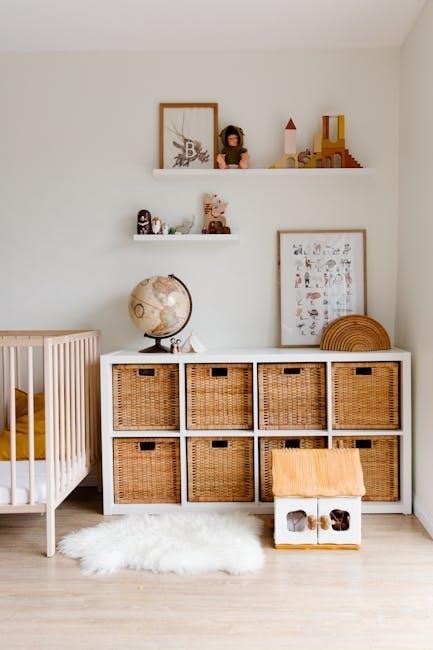
Storage Solutions & Crib Design
Many user manual cribs now incorporate clever storage solutions directly into their design․ These can range from built-in drawers beneath the mattress to shelving units integrated into the crib’s frame․ While appealing, it’s crucial to remember that adding storage shouldn’t compromise the crib’s fundamental stability and strength․
Experience suggests that novelty storage features are often underutilized; parents frequently find they don’t significantly impact daily routines․ Prioritizing a robust and stable construction is paramount․ A well-built crib, even without integrated storage, will offer greater peace of mind and longevity․ Consider the overall design aesthetic and how it complements your nursery décor, but always prioritize safety and structural integrity above all else when selecting a user manual crib․
Transitioning from Crib to Toddler Bed
A key benefit of many user manual cribs is their convertibility․ Many models seamlessly transition into toddler beds, extending the furniture’s lifespan and offering excellent value․ This typically involves lowering the mattress to its lowest setting and potentially adding a toddler bed rail for increased safety;
The timing of this transition is crucial; it’s often prompted by a child learning to climb or exhibiting signs of wanting more independence․ A user manual crib designed for conversion simplifies this process, minimizing disruption for both parent and child․ Utilizing the same familiar frame can ease the adjustment, fostering a sense of security during this developmental milestone․ Remember to reassess room safety once the crib is in toddler bed mode․
Long-Term Use & Value
User manual cribs, particularly those with conversion capabilities, represent a significant long-term investment․ Beyond the initial years as a traditional crib, many models transform into toddler beds, and some even extend further into full-size beds, offering years of use․ This adaptability drastically reduces the need for frequent furniture replacements, proving cost-effective․
Considering a crib mattress can be utilized for over two years, even until a child requires a larger size, further enhances the value․ The durability of well-constructed user manual cribs, coupled with their multi-stage functionality, justifies the initial expense․ Choosing a quality crib ensures a safe and lasting sleep solution for your growing child․

Resources and Further Information
CPSC provides vital crib safety data․ The Safe Sleep and Baby Care ⸺ Evidence-Based Support Facebook group offers expert advice, and pediatricians can offer guidance․
Safe Sleep and Baby Care ⎯ Evidence-Based Support (FB Group)
The Safe Sleep and Baby Care ⸺ Evidence-Based Support Facebook group is an invaluable resource for parents navigating safe sleep practices with a user manual crib․ This community consistently shares information grounded in research and cites credible sources, offering a deeper understanding beyond basic guidelines․
Members frequently discuss the nuances of CPSC regulations and how they apply to crib selection and usage․ You’ll find detailed discussions about mattress firmness, crib stability, and the dangers of unsafe sleep environments․ The group excels at debunking myths and providing evidence-based alternatives to common practices․
It’s a fantastic place to ask specific questions about your user manual crib model and receive tailored advice from experienced parents and knowledgeable professionals․ Expect to find links to relevant studies, articles, and official CPSC resources, empowering you to make informed decisions for your baby’s safety․
CPSC Website for Crib Safety Information

The Consumer Product Safety Commission (CPSC) website is the definitive source for comprehensive crib safety information, crucial when selecting and using a user manual crib․ It details the rigorous testing and specifications that all cribs sold in the US must meet, ensuring adherence to strict safety standards․
You’ll find detailed recall information, allowing you to verify the safety of your specific crib model․ The site explains the reasoning behind these regulations, highlighting why homemade sleep spaces are not recommended due to the inability to guarantee compliance with these vital safety measures․
The CPSC website provides downloadable guides, safety alerts, and educational materials covering everything from mattress fit to crib assembly․ It’s an essential resource for understanding the importance of choosing a user manual crib that has undergone thorough safety testing and certification․
Consulting with Pediatricians
Your pediatrician is an invaluable resource when establishing safe sleep practices with a user manual crib․ They can offer personalized guidance based on your baby’s individual development and any specific concerns you may have regarding sleep positioning or potential risks․
Discussing crib safety standards and the importance of a firm, properly fitted mattress is crucial․ Pediatricians can reinforce the guidelines regarding avoiding loose bedding and toys within the crib, minimizing the risk of suffocation or entrapment․
They can also address concerns about rolling, climbing, or head diving, offering practical advice on how to mitigate these risks․ Don’t hesitate to ask about safe sleep environments and how to ensure your user manual crib contributes to a secure and restful sleep for your baby․